Ongoing Concerns Around Hybrid Vehicle Disconnection in Collision Repair
![]()
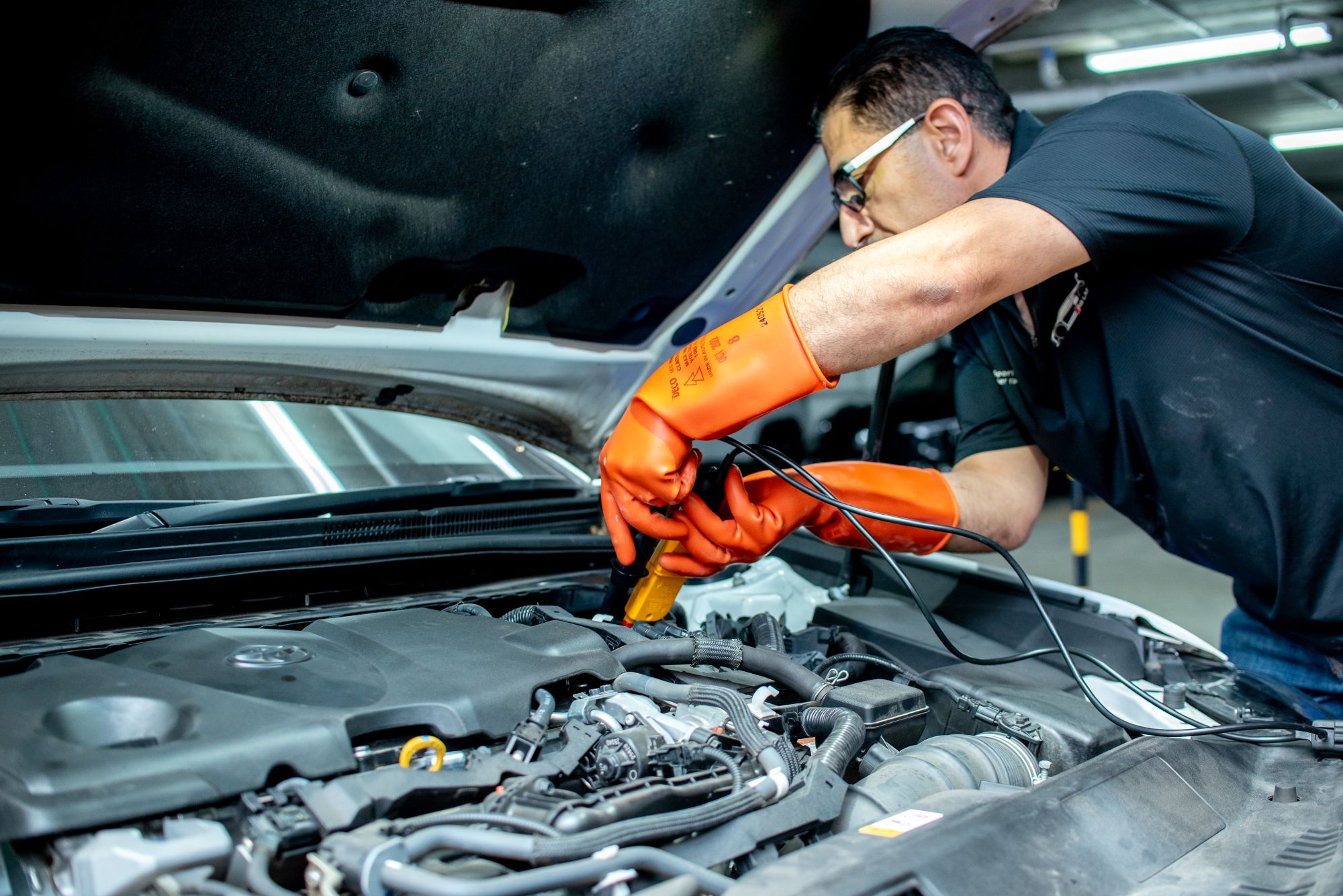
As electric and hybrid vehicles become increasingly common in workshops across the country, ensuring safe repair practices is more important than ever. While battery-electric vehicles (BEVs) often receive the most attention when it comes to high-voltage safety, it’s critical that hybrid electric vehicles (HEVs) and plug-in hybrid electric vehicles (PHEVs) are not overlooked. These vehicles, though often smaller in battery capacity, still contain high-voltage systems that present serious electrical hazards if not managed correctly.
Over recent months, many repairers have raised questions about whether disconnection procedures apply to hybrids—particularly when the battery system appears smaller or less visible than that of a full EV. It’s important to clarify that the size or location of the battery doesn’t reduce the risk. A hybrid vehicle's high-voltage system can still carry lethal current and must be treated with the same level of caution, PPE, and procedural compliance.
The Australian Standard 5732:2022 - Electric Vehicle Operations: Maintenance and Repair - confirms that all electrified vehicle platforms, including BEVs, HEVs, PHEVs, plug-in electric vehicles (PEVs), and fuel cell electric vehicles (FCEVs), are subject to the same disconnection procedures and electrical safety standards. The standard is clear: if a vehicle contains a high-voltage Rechargeable Electric Energy Storage System (REESS), appropriate safety precautions and system isolation must occur before any servicing or repair work begins.
Key Supporting Sections from the Australian Standard 5732:2022
- Preface & Section 1 (Scope): Clearly include HEVs and PHEVs alongside BEVs and FCEVs.
- Section 2 – Safe Work Practices: Details the hazards of high-voltage exposure and outlines essential safety protocols, including PPE, risk elimination, and arc flash precautions.
- Sections 4.3 & 4.4: Provide specific instructions for disablement and isolation procedures across all EV types, referencing OEM requirements.
- Clause 4.4.2: Confirms that high-voltage disconnection must occur before any service work is undertaken — regardless of whether the vehicle is a BEV, HEV, PHEV, or FCEV.
National Training Supports This - AURETH011
The nationally accredited unit AURETH011 - Depower and Reinitialise Hybrid Electric Vehicles further supports and reinforces these procedures. The unit requires technicians to demonstrate competency in:
Supporting Training - AURETH011
- The accredited unit AURETH011 – Depower and Reinitialise Hybrid Electric Vehicles supports this requirement, mandating:
- Safe work practices for isolating Rechargeable Electric Energy Storage Systems (REESS)
- Use of certified high-voltage PPE
- Knowledge and application of AS 5732:2022 safety procedures
Together, AS 5732:2022 and AURETH011 ensure that professionals in the automotive repair industry are equipped with both the knowledge and the responsibility to protect themselves and others from potential harm when working on electrified vehicles.
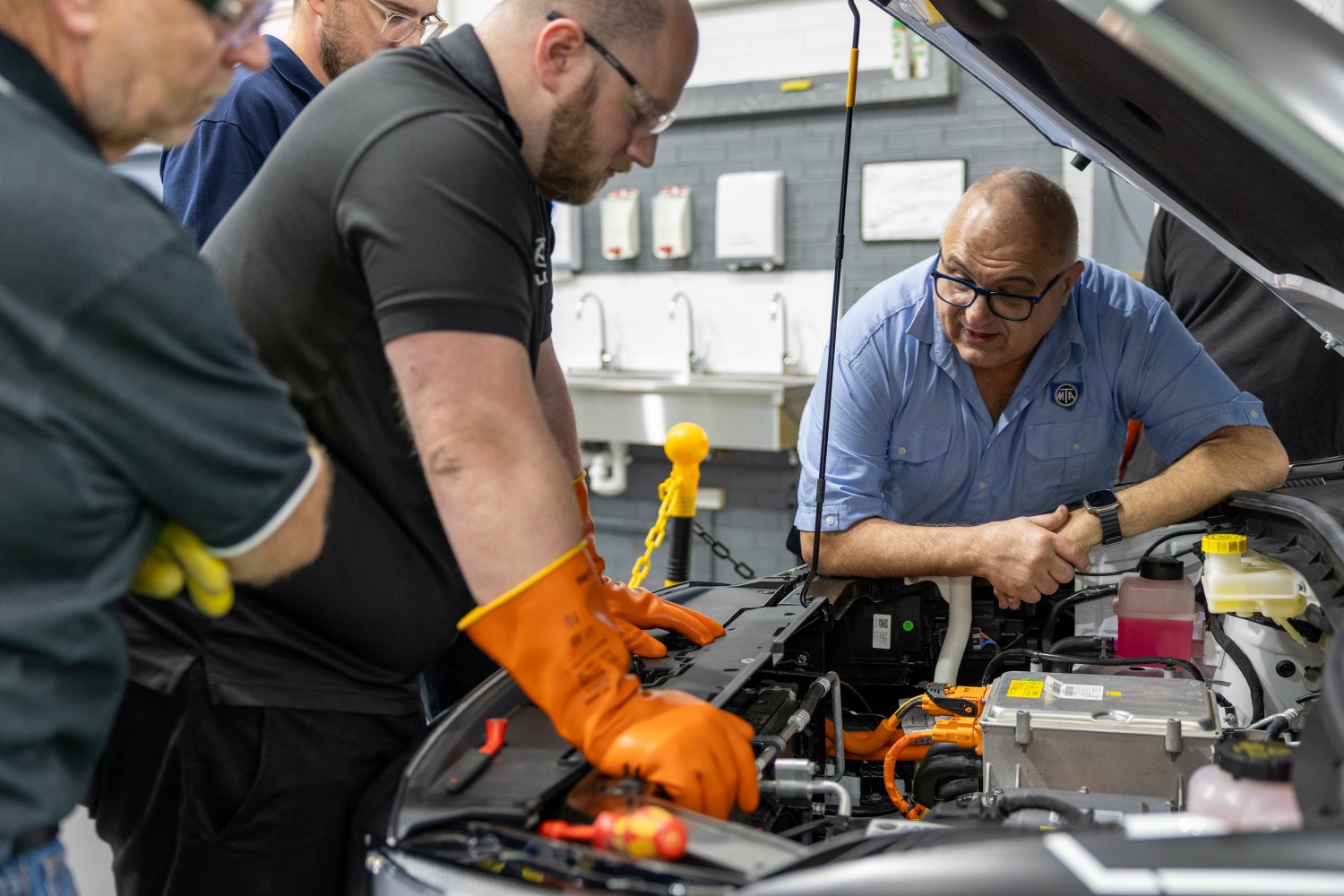
A Safety-First Standard, Not an Optional Practice
There can be no ambiguity when it comes to safety. Whether a vehicle is in for mechanical servicing, body repairs, or cosmetic refinishing, if it contains a high-voltage system, it must be disconnected properly before work begins. Failing to do so doesn’t just risk non-compliance with industry standards - it places technicians, apprentices, and surrounding personnel in direct danger.
This is not about best practice - it’s about meeting enforceable safety standards that protect both the workforce and the integrity of the industry. Repairers must not underestimate the risks associated with hybrid vehicles simply because they’ve become more common or seem less “electric” than full BEVs.
Reference for Insurance Queries and WHS Compliance
Where questions arise - including from insurers - regarding the necessity of disconnecting high-voltage systems in hybrid vehicles (HEVs and PHEVs), repairers are encouraged to reference this document and the obligations outlined in AS 5732:2022.
Furthermore, under Work Health and Safety (WHS) legislation in NSW, all businesses, including repairers, have a legal duty of care to eliminate or minimise risks to health and safety as far as reasonably practicable. This extends to the handling of EVs and hybrids, where high-voltage systems are involved. Failing to follow established standards and training protocols may expose workers to electrical hazards and leave businesses liable for breaching their WHS obligations.
Members are reminded that the introduction of Industrial Manslaughter Laws in NSW in 2024 mean that the proprietors of businesses are exposed to possible criminal charges and jail time if any employees die on the worksite due to a failure of the employer to have proper systems to protect their employees. The proper handling of BEV’s, HEV’s and PHEV’s by employees is non-negotiable for any Member.
For further queries, please contact Jonathon Evripidou - [email protected]
< Back to News